red river gorge trail map pdf
Red River Gorge Trail Map PDF: A Comprehensive Guide
Discover essential PDF maps for Red River Gorge, including US Forest Service topo maps, FSTopo downloads, and guides like Hinterlands․ Plan your adventure today!
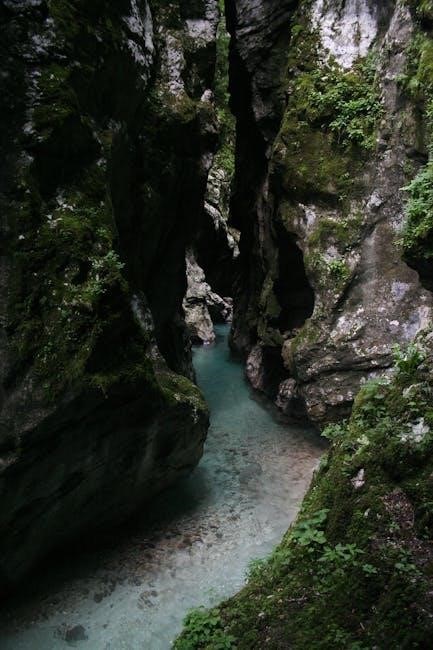
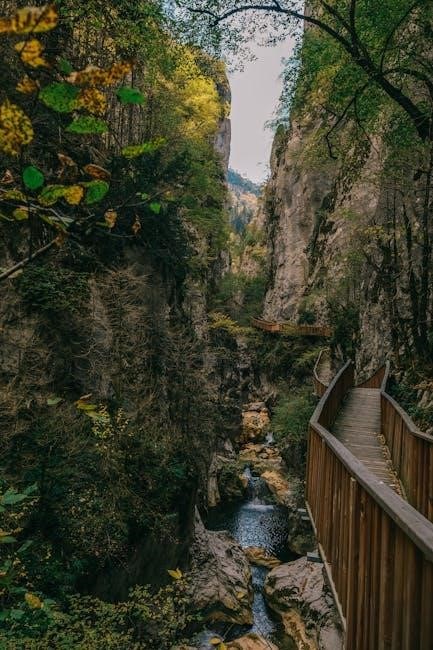
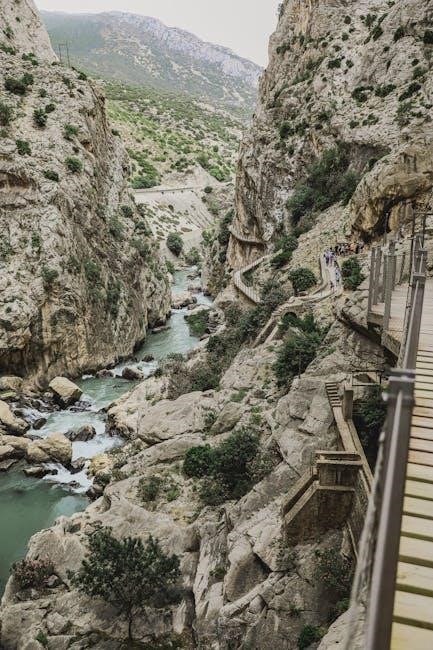
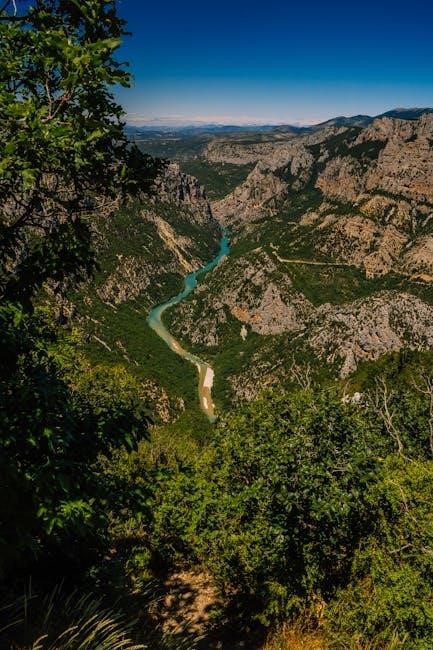
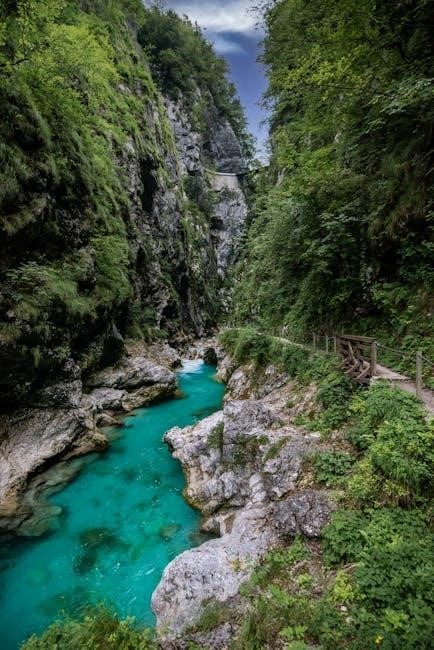
Red River Gorge, located in east-central Kentucky, is a canyon system renowned for its unique geological formations, including sandstone cliffs, natural arches, and rock shelters․ This captivating landscape attracts hikers, climbers, and nature enthusiasts seeking adventure․ Navigating this extensive wilderness requires reliable resources, making a detailed trail map indispensable․
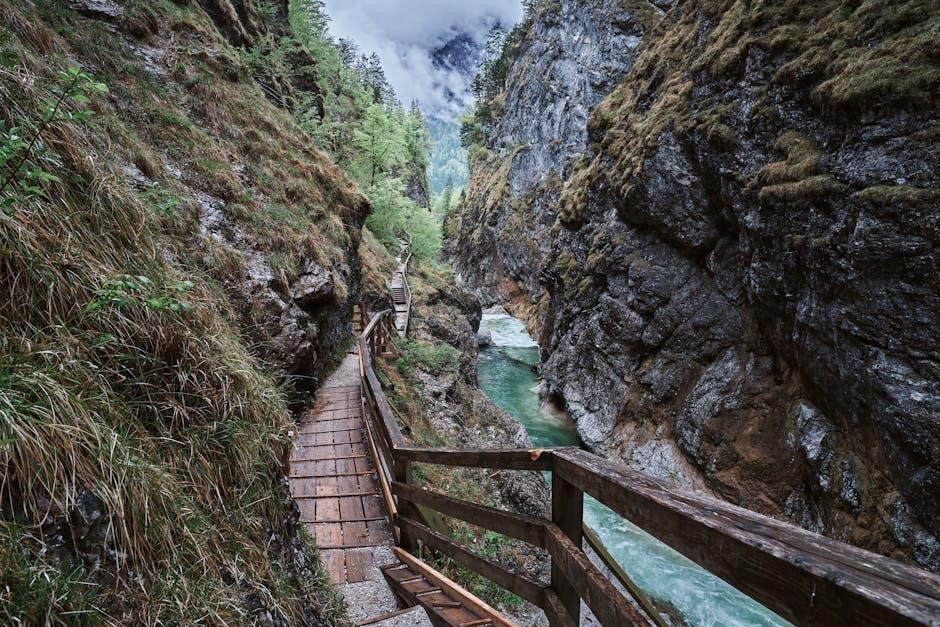
The Gorge boasts over 150 miles of trails, ranging from easy strolls to challenging climbs․ Understanding the terrain and available routes is crucial for a safe and enjoyable experience․ Accessing accurate PDF trail maps, often provided by the US Forest Service and resources like FSTopo, empowers visitors to explore responsibly and discover the Gorge’s hidden gems․
Understanding the Need for a Trail Map
Red River Gorge’s intricate trail system, with its numerous loops and unmarked junctions, necessitates a reliable trail map․ Relying solely on memory or verbal directions can easily lead to disorientation, especially given the dense forest cover․ A PDF trail map provides a comprehensive overview of the area, displaying trail networks, elevation changes, and key landmarks․
Furthermore, maps aid in planning hikes suited to your skill level․ Knowing trail distances and difficulty ratings, readily available on maps like those from FSTopo or the US Forest Service, ensures a safe and enjoyable experience․ Preparedness is key, and a map is an essential tool for responsible exploration within the Gorge’s wild terrain․
Where to Find Official Red River Gorge Trail Maps (PDF)
Official Red River Gorge trail maps in PDF format are readily accessible through several sources․ The US Forest Service (fs․usda․gov) website is a primary resource, offering downloadable topographic maps covering various sections of the national forest․ These maps detail forest boundaries, roads, and trails․
Additionally, FSTopo provides geo-referenced PDF maps that overlay US Geological Survey data with forest service information․ These are downloadable by quadrangle․ Brochures for nearby areas like Cave Run Lake and Laurel River Lake, also available as PDFs, can supplement your planning․ Issuu also hosts various related brochures․
US Forest Service Maps
US Forest Service maps are the cornerstone for Red River Gorge navigation․ Available as downloadable PDFs from fs․usda․gov, these topographic maps provide crucial details for hikers and explorers․ They clearly delineate national forest boundaries, highlighting forest service roads and established trails within the gorge․
These official maps are regularly updated, offering reliable information for planning your route․ They are essential for understanding the terrain and locating key features․ Utilizing these PDFs, alongside other resources like FSTopo maps, ensures a safe and informed hiking experience within the diverse landscape of the Red River Gorge․
Popular Trail Systems in Red River Gorge
Red River Gorge boasts a network of incredible trails, each demanding careful planning with a reliable trail map – ideally in PDF format for offline access․ The Sheltowee Trace National Recreation Trail offers a long-distance backpacking experience, while Gray’s Arch Trail leads to a stunning natural arch․
For a more moderate challenge, the Auxier Ridge Trail & Courthouse Rock combination provides breathtaking views․ Detailed PDF maps, sourced from the US Forest Service or FSTopo, are vital for navigating these systems, understanding elevation changes, and identifying key landmarks․ Proper preparation ensures a memorable and safe adventure․
Sheltowee Trace National Recreation Trail
Sheltowee Trace, a long-distance trail traversing Red River Gorge, necessitates a detailed PDF map for effective navigation․ This trail demands careful planning due to its length and varied terrain․ Accessing geo-referenced PDF maps from resources like FSTopo allows hikers to pinpoint their location and understand elevation profiles․
Understanding map symbols and topographic features is crucial․ A downloaded PDF ensures map availability even without cell service․ Combining the Sheltowee Trace map with supplemental guides, like Hinterlands, enhances preparedness and maximizes enjoyment of this iconic trail within the Gorge․
Gray’s Arch Trail
Gray’s Arch Trail, a popular Red River Gorge hike, benefits greatly from a detailed PDF trail map․ Navigating this loop requires understanding the terrain and identifying key landmarks․ Utilizing downloadable FSTopo maps, available as geo-referenced PDFs, provides essential topographic information and trail markings․
A PDF map allows offline access, vital given limited cell service in the Gorge․ Supplementing the official map with resources like Hinterlands by Jerrell Goodpaster offers valuable insights into unofficial trails and points of interest near Gray’s Arch, enhancing the overall hiking experience and safety․
Auxier Ridge Trail & Courthouse Rock
Auxier Ridge Trail, famed for its stunning views and proximity to Courthouse Rock, demands a reliable Red River Gorge trail map PDF for safe exploration․ These maps, often downloadable from US Forest Service resources as geo-referenced PDFs, detail the challenging terrain and crucial junctions․
FSTopo maps are particularly useful, overlaying trails and campgrounds onto topographic base maps․ Combining official maps with guides like Hinterlands by Jerrell Goodpaster provides a comprehensive understanding of the area, including access to unofficial paths and hidden features near Courthouse Rock․
Navigating with a Red River Gorge Trail Map PDF
Red River Gorge trail map PDFs are invaluable for successful navigation, but understanding their components is key․ US Forest Service maps and FSTopo downloads present detailed topographic information, showcasing elevation changes crucial for planning hikes․ Learning to interpret map symbols – representing trails, cliffs, and landmarks – is essential․
Geo-referenced PDFs allow for pinpoint location using GPS devices or mobile apps․ Combining these digital tools with traditional map-reading skills ensures confident exploration․ Remember to download maps before your trip, as cell service can be unreliable within the gorge․
Understanding Topographic Maps
Red River Gorge trail map PDFs frequently utilize topographic mapping, representing three-dimensional terrain on a two-dimensional surface․ Contour lines are the foundation, connecting points of equal elevation; closer lines indicate steeper slopes․ Understanding contour intervals – the vertical distance between lines – is crucial for gauging trail difficulty․
These maps also depict features like ridges, valleys, and cliffs․ Learning to visualize terrain from contour patterns enhances navigation and safety․ FSTopo maps, derived from US Geological Survey data, provide precise elevation details, aiding in informed route planning within the gorge’s complex landscape․
Interpreting Map Symbols
Red River Gorge trail map PDFs employ standardized symbols to convey vital information․ Trails are typically represented by different line styles – solid for maintained paths, dashed for less defined routes․ Campgrounds are indicated with specific icons, often differentiating between developed and dispersed sites like Koomer Ridge Campground․
US Forest Service maps utilize symbols for landmarks, cliffs, and even rock shelters․ Understanding these symbols is paramount for safe navigation․ Pay attention to symbols denoting accessibility features, such as those for disabled access․ Familiarizing yourself with the map’s legend ensures accurate interpretation of the terrain and available resources․
Key Landmarks & Points of Interest
Red River Gorge trail map PDFs highlight iconic landmarks crucial for orientation and exploration․ The Natural Arch Scenic Area, a must-see destination, is prominently featured․ Maps also pinpoint the historic Nada Tunnel, a unique geological formation carved through sandstone cliffs; Nearby, French Creek State Park offers additional recreational opportunities․
These maps often showcase significant geological features, aiding hikers in recognizing their location․ Understanding the placement of these landmarks, combined with trail networks, enhances the overall hiking experience․ Utilizing these points of interest alongside topographic details ensures a safe and rewarding adventure within the Gorge․
Natural Arch Scenic Area
Red River Gorge trail map PDFs meticulously detail the Natural Arch Scenic Area, a premier destination․ These maps illustrate trailheads leading to the arch, including distances and elevation changes․ They showcase connecting trails like the Sheltowee Trace, allowing for extended exploration․ Detailed topographic lines reveal the surrounding cliffs and rock shelters․
Map legends clearly identify parking areas, restrooms, and points of interest within the scenic area․ Utilizing these maps ensures hikers can navigate to the arch efficiently and safely․ Understanding the terrain, as depicted on the PDF, is vital for a fulfilling visit to this geological wonder․
Nada Tunnel
Red River Gorge trail map PDFs prominently feature Nada Tunnel, a unique and historic landmark․ These maps clearly indicate the tunnel’s location along KY 77, showcasing access points and nearby trails․ Topographic details reveal the surrounding terrain, aiding hikers in planning approaches․ The maps often highlight parking areas close to the tunnel entrance․
Understanding the map’s depiction of the area is crucial, as the tunnel is a one-lane passage․ Maps also illustrate the proximity to the Red River and potential connecting trails for extended hikes․ Utilizing these resources ensures a safe and informed visit to this remarkable geological formation․
French Creek State Park (Nearby)
Red River Gorge trail map PDFs often include details of nearby French Creek State Park, recognizing its value as a complementary destination․ These maps illustrate the park’s location relative to the Gorge, highlighting access roads and trail connections․ PDF guides frequently showcase the park’s amenities, such as camping facilities and recreational areas․
Users can leverage these maps to plan multi-day trips, combining exploration of the Gorge with the serene environment of French Creek․ The maps aid in understanding the park’s trail system and identifying potential loop hikes․ Detailed cartography enhances trip planning, ensuring a well-rounded outdoor experience․
Downloading and Using FSTopo Maps
FSTopo maps, available as geo-referenced PDFs, are invaluable for Red River Gorge navigation․ These maps overlay US Forest Service roads, trails, and campgrounds onto US Geological Survey topographic maps, providing detailed terrain visualization․ Downloading these PDFs by quadrangle allows hikers to access specific areas offline, crucial for areas with limited cell service․
Users can utilize GIS software or mobile apps to view and interact with the geo-referenced PDFs․ This enables precise location tracking and route planning․ Understanding the map’s legend and scale is essential for effective use; FSTopo enhances safety and exploration within the Gorge․
FSTopo Map Features
FSTopo maps boast several key features beneficial for Red River Gorge hikers․ They clearly delineate US Forest Service roads, ensuring accurate route finding․ Detailed trail networks, including both official and some unofficial paths, are prominently displayed․ Campground locations, complete with facility information, aid in trip planning․
Contour lines illustrate elevation changes, crucial for assessing trail difficulty․ Map symbols indicate points of interest, rock shelters, and potential hazards․ The geo-referenced nature allows for GPS integration, enhancing navigational precision․ These features combine to create a comprehensive and reliable resource for exploring the Gorge safely and effectively․
Downloading Geo-Referenced PDFs
FSTopo maps are available for download as geo-referenced PDFs, organized by USGS quadrangle․ This format retains spatial information, enabling use with GPS devices and mapping software․ Access these maps through the US Forest Service website; simply locate the relevant quadrangle covering your desired hiking area within Red River Gorge․
Downloading is typically straightforward, requiring a standard PDF reader․ Geo-referencing allows hikers to pinpoint their location on the map even without cell service․ Ensure your device supports geo-PDF viewing for optimal functionality․ These downloadable maps provide a valuable, offline navigational tool․
Unofficial Trail Resources & Guides
Beyond official US Forest Service maps, several unofficial resources enhance Red River Gorge trail planning․ Hinterlands by Jerrell Goodpaster is a highly regarded, comprehensive guide, often considered a “bible” for navigating the Gorge’s extensive, sometimes unmarked, trail network․ It details numerous trails and features not always found on official maps․
Online forums and websites dedicated to Red River Gorge hiking also provide valuable, user-generated information, including trail conditions and recent updates․ While these resources are helpful, always cross-reference with official maps and exercise caution, as trail conditions can change rapidly․
Hinterlands by Jerrell Goodpaster
Jerrell Goodpaster’s Hinterlands is an indispensable resource for Red River Gorge exploration, lauded as a primary guide for many hikers․ This detailed publication meticulously maps the Gorge’s complex trail system, including numerous unofficial and less-traveled routes often absent from standard US Forest Service maps․
Hinterlands provides detailed descriptions, mileage, and difficulty ratings, aiding in informed trip planning․ It’s particularly valuable for navigating the Gorge’s intricate network of rock shelters and cliffs․ Experienced hikers frequently rely on Hinterlands alongside official maps for a complete understanding of the terrain․
Campground Locations & Accessibility
Red River Gorge offers diverse camping options, from developed campgrounds to dispersed sites․ Koomer Ridge Campground is a popular US Fee Area, providing trailer and tent spaces alongside essential amenities like vault toilets and fire rings; Accessibility information is crucial for planning; some areas cater to disabled access․
Detailed trail maps, including FSTopo products, often indicate campground locations․ Understanding campground features – developed versus primitive – is vital․ Maps also highlight proximity to trailheads, enhancing hiking convenience․ Planning ahead, especially during peak season, is recommended for securing a campsite․
Koomer Ridge Campground
Koomer Ridge Campground, a prominent US Fee Area within Red River Gorge, is frequently detailed on downloadable trail maps and FSTopo products․ These maps illustrate its location relative to key trails and landmarks, aiding in trip planning․ The campground features designated spaces for both trailers and tents, catering to varied camping preferences․
Essential facilities include vault toilets, ensuring basic sanitation, and fire rings for evening campfires․ Maps often indicate accessibility features, though specifics should be verified․ Understanding the campground’s layout, as shown on the PDF maps, helps optimize your camping experience within the Gorge’s natural beauty․
Developed Camping Areas
Red River Gorge offers several developed camping areas, meticulously detailed on official US Forest Service maps available as PDF downloads․ These maps pinpoint locations, indicating amenities like potable water, restrooms, and picnic tables․ Accessibility information, including designated accessible sites, is often included, aiding campers with specific needs․
FSTopo maps further enhance planning by overlaying campground locations onto topographic backgrounds, revealing proximity to trails and natural features․ Understanding the layout of these areas, as depicted on the maps, is crucial for selecting a site that suits your preferences and planned activities within the Gorge’s stunning landscape․
Trail Difficulty Levels & Considerations
Red River Gorge trails vary significantly in difficulty, a crucial detail often indicated on PDF trail maps․ Maps frequently employ color-coding or symbols to denote easy, moderate, and challenging hikes․ Beginners should prioritize trails marked as ‘easy’, often shorter loops with minimal elevation gain․
More experienced hikers can explore moderate and challenging routes, but detailed map study is essential․ Consider elevation profiles, distance, and terrain features․ FSTopo maps are invaluable here, revealing steep inclines and rocky sections․ Always assess your fitness level and prepare accordingly, referencing the map for potential obstacles․
Easy Trails for Beginners
Red River Gorge offers several accessible trails perfect for newcomers, clearly marked on most PDF trail maps․ These typically involve shorter distances – under 3 miles – and minimal elevation gain, making for relaxed hikes․ Look for trails near developed camping areas like Koomer Ridge Campground, often indicated on US Forest Service maps․
Beginners should consult the map for loop trails, avoiding strenuous climbs․ The Natural Arch Scenic Area features relatively easy paved paths․ Always download a PDF map beforehand and inform someone of your hiking plans․ Prioritize safety and enjoy the Gorge’s beauty at a comfortable pace!
Moderate & Challenging Hikes
For experienced hikers, Red River Gorge boasts demanding trails best navigated with detailed PDF maps like those from FSTopo or Hinterlands․ Trails such as Sheltowee Trace and Auxier Ridge present significant elevation changes and longer distances – often exceeding 5 miles – requiring good physical condition․
These routes frequently involve scrambling over rocks and navigating uneven terrain․ A geo-referenced PDF map is crucial for staying on course․ Always check recent trail updates, as conditions can change rapidly․ Be prepared for remote areas and carry essential supplies; safety is paramount on these challenging adventures!
Safety Precautions While Hiking
Prioritize safety in Red River Gorge! Utilize your PDF trail map to understand the terrain and potential hazards․ Be aware of local wildlife – snakes and bears are present․ Check weather forecasts before heading out and prepare for changing conditions; storms can develop quickly․
Carry sufficient water, food, and a first-aid kit․ Inform someone of your hiking plans and expected return time․ Cell service is unreliable, so don’t solely rely on electronic devices․ A physical PDF map and compass are essential backups․ Stay on marked trails and be mindful of cliffs and rock shelters․
Wildlife Awareness
Red River Gorge is home to diverse wildlife; your PDF trail map doesn’t detail animal locations, so vigilance is key․ Black bears are present – store food properly in bear-resistant containers or hang it securely․ Rattlesnakes inhabit rocky areas; watch your step and maintain a safe distance․
Other potential encounters include wild turkey, deer, and various bird species․ Avoid approaching or feeding any wildlife․ Be especially cautious around rock shelters, as these are favored habitats․ Knowing potential wildlife risks, alongside map reading, enhances your safety and appreciation of the Gorge’s natural beauty․
Weather Conditions & Preparedness
Red River Gorge weather can change rapidly; your PDF trail map won’t predict it! Check the forecast before hiking and be prepared for varying conditions․ Summer brings heat and humidity, requiring ample water and sun protection․ Spring and fall offer milder temperatures but potential for rain․
Winter can be cold and icy, demanding appropriate layers and traction devices․ Pack rain gear, extra clothing, a first-aid kit, and a headlamp․ Knowing potential weather hazards, alongside utilizing your map, is crucial for a safe and enjoyable hiking experience within the Gorge’s challenging terrain․
Geological Features of the Red River Gorge
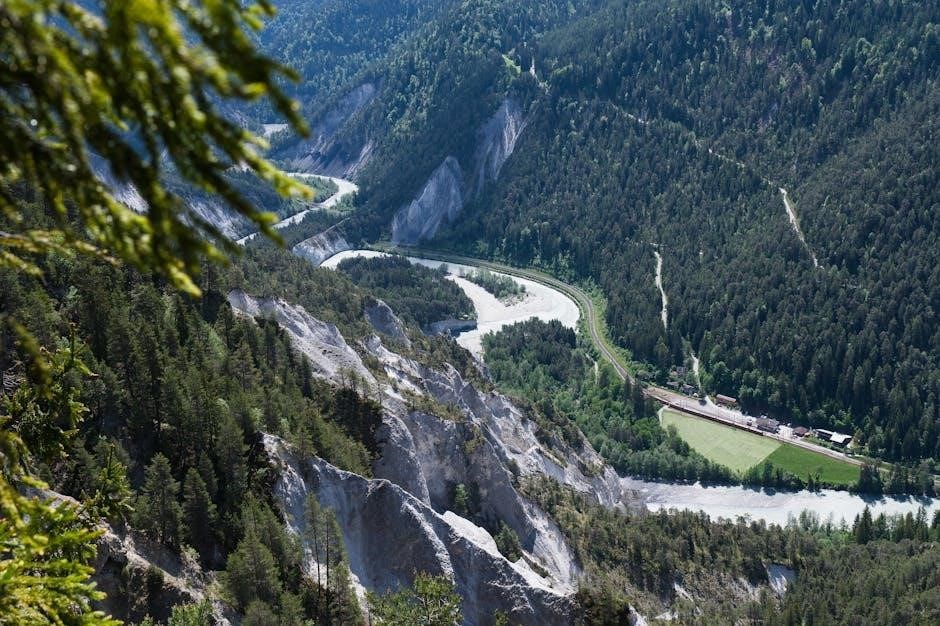
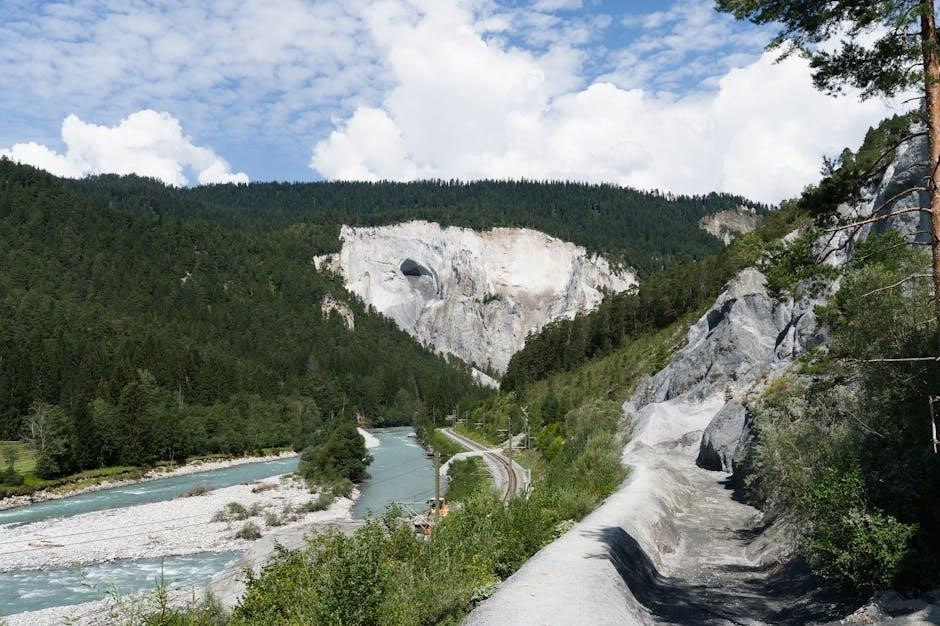
Red River Gorge’s stunning landscape is sculpted by ancient sandstone cliffs and dramatic rock shelters, features detailed on your PDF trail map․ Millions of years of erosion have created arches, overhangs, and narrow canyons․ Understanding these geological formations enhances your hiking experience․
Your map highlights key areas like Natural Arch, formed through weathering and erosion․ Explore the unique rock shelters, often used for camping historically․ The gorge’s cliffs provide breathtaking views, but require caution․ Studying the map alongside the terrain reveals the fascinating geological history of this remarkable region․
Rock Shelters & Cliffs
Red River Gorge is renowned for its abundant rock shelters and towering cliffs, prominently displayed on detailed PDF trail maps․ These formations offer unique camping opportunities, though responsible Leave No Trace practices are crucial․ Maps indicate shelter locations and cliff access points, aiding navigation․
Be aware of potential hazards near cliffs – unstable rock and steep drop-offs require extreme caution․ Your PDF map may denote areas with known risks․ Rock shelters provide protection from the elements, but are often popular, so plan accordingly․ Understanding their geological origins, as shown on some maps, adds to the experience․
Red River Gorge Brochure & Information
Enhance your trip planning with readily available Red River Gorge brochures, often complementing PDF trail maps․ These resources detail park regulations, safety guidelines, and points of interest․ Brochures covering Natural Arch, Cave Run Lake, and Laurel River Lake (nearby) provide broader regional context․
Access digital versions online, or obtain physical copies at visitor centers․ The Sheltowee Trace brochure outlines this significant trail system․ Information on the Red River as a National Wild and Scenic River is also available․ Combining brochure insights with detailed PDF maps ensures a well-informed and enjoyable experience․
Cave Run Lake & Laurel River Lake Proximity
While focusing on Red River Gorge PDF trail maps, consider the nearby recreational opportunities at Cave Run Lake and Laurel River Lake․ These lakes offer alternative hiking trails, water activities, and camping options, extending your adventure beyond the Gorge’s cliffs․
Brochures for both lakes, often available digitally alongside Red River Gorge maps, detail trail systems, boat launches, and campground facilities․ Integrating a visit to these lakes into your itinerary provides diverse experiences․ Utilize PDF maps for both areas to maximize exploration and plan efficient routes between destinations, enhancing your overall trip․
Sedona Off-Road Trail Guide Relevance (Comparison)
Interestingly, resources like the Sedona Off-Road Trail Guide demonstrate a parallel focus on detailed topographical mapping for outdoor recreation․ While Sedona features vastly different terrain, the principle of utilizing precise maps – similar to Red River Gorge PDF trail maps – remains consistent for safe and informed exploration․
Both guides emphasize understanding trail difficulty, landmarks, and potential hazards․ Comparing approaches to map presentation and information delivery can enhance your map-reading skills․ Though geographically distinct, the core need for comprehensive trail documentation is shared, highlighting the universal importance of reliable PDF resources․
Digital Map Options Beyond PDF
Beyond static PDF maps, numerous digital alternatives enhance Red River Gorge navigation․ Mobile hiking apps, like those offering GPS tracking and offline map access, provide dynamic and interactive experiences․ These apps often integrate user-submitted trail conditions and photos, offering real-time insights unavailable in traditional PDF formats․
Consider apps with topographic map layers and the ability to record your route․ While PDF maps remain valuable for pre-trip planning and backup, digital tools offer unparalleled convenience and safety features on the trail․ Explore options to complement your Red River Gorge mapping strategy․
Mobile Hiking Apps
Numerous mobile applications revolutionize Red River Gorge trail navigation, surpassing traditional PDF maps․ These apps frequently feature detailed topographic maps, GPS functionality for precise location tracking, and offline access – crucial given the Gorge’s limited cell service․ Users benefit from community-sourced trail updates, including condition reports and recent sightings․
Popular choices often allow route recording, elevation profiles, and waypoint marking․ Integrating these apps with downloaded FSTopo maps provides a powerful combination of detailed cartography and real-time navigational assistance․ They are invaluable tools for both experienced hikers and newcomers exploring the Gorge’s extensive trail system․
Red River: A National Wild and Scenic River
The Red River, flowing through the heart of the Red River Gorge, earned designation as a National Wild and Scenic River, highlighting its exceptional natural and recreational values․ Understanding the river’s course is beneficial when referencing trail maps, as many trails parallel or intersect with it․ PDF trail maps often illustrate the river’s path, aiding orientation․
Its pristine condition contributes significantly to the Gorge’s biodiversity and scenic beauty․ When planning hikes, consider proximity to the river for potential access points and scenic overlooks․ Utilizing detailed maps, including those available as FSTopo downloads, enhances appreciation for this vital waterway․
Geysernaya River Basin Geological Map (Comparative Study)
While seemingly disparate, comparing the Geysernaya River Basin’s geological mapping techniques with those used for the Red River Gorge offers insights into cartographic approaches․ The Geysernaya map, a schematic geological profile, demonstrates detailed river basin analysis․ This contrasts with Red River Gorge’s focus on topographic trails and rock shelter locations within PDF maps․
Both require understanding landforms, but serve different purposes․ FSTopo maps prioritize hiker navigation, while the Geysernaya map emphasizes geological structures․ Examining both highlights the adaptability of mapping to specific environmental and user needs, enriching our understanding of both regions․
Recent Updates & Map Revisions (as of 03/16/2026)
As of today, March 16, 2026, Red River Gorge trail maps are undergoing routine updates․ US Forest Service PDF maps have seen minor revisions to reflect recent trail maintenance and closures, particularly around Nada Tunnel and sections of the Sheltowee Trace․ FSTopo maps were last updated in December 2025, incorporating user-submitted trail corrections․
Issuu continues to host various brochures, including those for Cave Run and Laurel River Lakes, alongside the Red River Gorge brochure․ Hikers should always download the latest versions before venturing out, as conditions can change rapidly․ Check fs․usda․gov for official updates․
Resources for Planning Red River Gorge Vacations
Planning a Red River Gorge vacation requires utilizing diverse resources․ Begin with official US Forest Service PDF maps for trail planning and campground locations like Koomer Ridge․ Explore FSTopo maps for detailed topographic views, downloadable as geo-referenced PDFs․ Consider Hinterlands by Jerrell Goodpaster for unofficial trail insights․
Issuu provides access to brochures for nearby attractions like Cave Run and Laurel River Lakes․ Websites like fs․usda․gov offer current conditions and alerts․ Remember to check recent updates as of March 16, 2026, for the most accurate information․