how to manually retract hydraulic jacks
How to Manually Retract Hydraulic Jacks: A Comprehensive Guide
This guide details procedures for safely retracting hydraulic jacks when standard systems fail‚ addressing aircraft‚ industrial‚ and automotive applications.
Understanding complex hydraulic systems is crucial for successful manual operation and maintenance.
Understanding Hydraulic Jack Systems
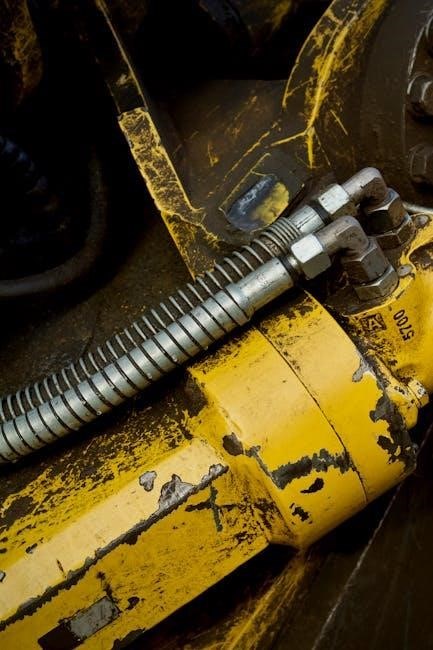
Hydraulic jack systems leverage Pascal’s principle‚ utilizing pressurized fluid – typically oil – to generate force. These systems comprise a reservoir‚ pump‚ valves‚ and a cylinder/piston assembly. The pump creates pressure‚ directing fluid to the cylinder‚ extending the jack.

Retraction involves reversing this process‚ releasing pressure and allowing the piston to return. Aircraft landing gear systems are particularly complex‚ facing extreme environmental changes and numerous operational states. Industrial and automotive jacks‚ while simpler‚ still rely on precise hydraulic control for safe operation and require understanding of their core mechanics.
Types of Hydraulic Jacks Commonly Found
Several hydraulic jack types exist‚ each with unique retraction methods. Bottle jacks‚ common in automotive applications‚ often use a threaded release valve. Floor jacks employ a similar valve‚ sometimes coupled with a lever-operated pump. Aircraft utilize complex landing gear systems with dedicated manual retraction points.
Industrial jacks can range from small shop presses to massive lifting jacks‚ frequently featuring direct valve control. Understanding the specific jack type is paramount before attempting manual retraction‚ as procedures vary significantly. Identifying the system’s design dictates the appropriate approach for safe and effective operation.
Identifying Manual Retraction Mechanisms
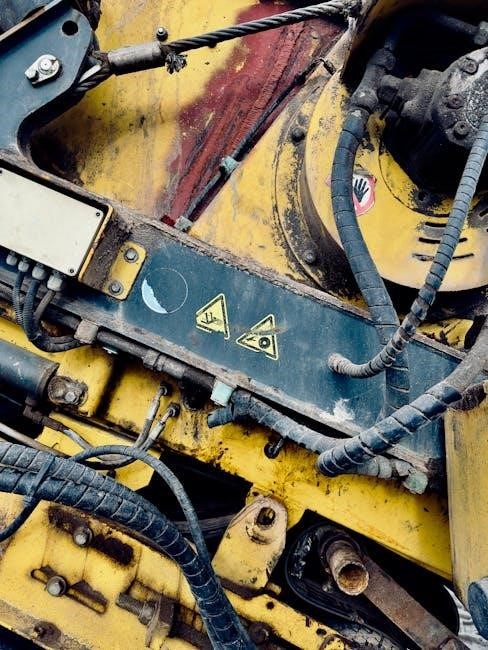
Manual retraction relies on bypassing the primary hydraulic system. Look for dedicated hand pumps‚ often near the jack cylinder‚ used for emergency lowering. Release valves‚ typically screws or levers‚ control fluid flow and descent speed. On aircraft‚ specific retraction points are integrated into the landing gear structure.
Industrial jacks may have direct valve controls or emergency bypass systems. Automotive jacks usually feature a release valve accessible near the handle. Careful observation and referencing the jack’s documentation are vital for locating and understanding these mechanisms before operation.
Safety Precautions Before Attempting Manual Retraction
Prioritize safety before initiating manual retraction. Ensure the load is stable and properly supported with secondary backups. Clear the area of personnel and obstructions‚ establishing a safety perimeter. Never work under a load supported solely by a hydraulic jack‚ even during retraction.
Confirm the hydraulic system is fully understood and any leaks are addressed. A failed system can create unexpected movements. Thoroughly review the manufacturer’s instructions and heed all warnings before proceeding with manual operation to prevent injury or damage.
Personal Protective Equipment (PPE) Required
Essential PPE is paramount when manually retracting hydraulic jacks. Always wear safety glasses with side shields to protect against fluid splashes or ejected debris. Heavy-duty work gloves are crucial for grip and hand protection from sharp edges or hot components.
Sturdy‚ closed-toe footwear is non-negotiable‚ safeguarding against falling objects. Depending on the environment‚ consider wearing appropriate hearing protection and a hard hat. Ensure clothing is snug-fitting to avoid entanglement with moving parts during the retraction process.
Assessing the Surrounding Environment
Before initiating manual retraction‚ a thorough environmental assessment is critical. Ensure adequate lighting illuminates the work area‚ revealing potential hazards. Clear the vicinity of personnel‚ obstacles‚ and any flammable materials. Verify a stable and level surface supports the jack and surrounding equipment.
Identify potential pinch points and ensure sufficient space for safe operation. Be mindful of overhead obstructions and weather conditions that could affect stability or visibility. Confirm emergency exits are unobstructed and readily accessible in case of unforeseen issues.
Tools Needed for Manual Retraction
Successful manual retraction necessitates a specific toolkit. Essential items include a comprehensive set of wrenches (open-end‚ box-end‚ and adjustable) and socket sets with various extensions. Screwdrivers (flathead and Phillips) are needed for accessing release mechanisms.
Gloves and safety glasses are crucial for personal protection. A hydraulic pressure gauge aids in monitoring system status. Depending on the jack‚ specialized tools like bleeder wrenches or hand pumps may be required. Always verify tool compatibility before use.
Wrenches and Socket Sets
High-quality wrenches and socket sets are paramount for safe manual retraction. A range of sizes‚ both metric and imperial‚ is essential to accommodate various fittings. Combination wrenches offer versatility‚ while socket sets with extensions reach recessed components.
Impact sockets should be avoided as they can damage delicate hydraulic parts. Ensure wrenches are in good condition‚ with no worn or rounded jaws. Proper sizing prevents slippage and potential injury during operation. Using the correct tool minimizes risk.
Release Valves and Their Identification
Release valves are critical components for controlled hydraulic pressure reduction. They typically appear as knobs‚ levers‚ or specialized fittings‚ often brightly colored for easy identification. Location varies significantly – check manufacturer’s diagrams.
Understanding valve operation is key: turning usually allows fluid flow‚ initiating retraction. Some valves require multiple turns or a specific sequence. Never force a valve; investigate if resistance is met. Proper identification prevents accidental activation of other systems.
Bleeder Screws and Their Function
Bleeder screws‚ often small and strategically placed‚ serve to release trapped hydraulic fluid. Their primary function is to relieve pressure within the system‚ aiding in manual retraction or troubleshooting. Locating these screws requires referencing specific equipment manuals‚ as placement isn’t standardized.
Caution is paramount: opening a bleeder screw releases pressurized fluid‚ potentially causing injury. Always direct the fluid stream into a suitable container and wear appropriate PPE. Controlled bleeding facilitates smoother jack operation and prevents damage.
Locating the Manual Retraction Point
Identifying the manual retraction point is critical before attempting any procedure. This varies significantly based on the jack’s application – aircraft‚ industrial‚ or automotive. Aircraft landing gear often features dedicated emergency extension/retraction points‚ detailed in maintenance manuals.
Industrial jacks may utilize release valves or hand pumps‚ while automotive jacks typically have a release mechanism near the saddle. Always consult the manufacturer’s documentation to pinpoint the exact location and understand its operation before proceeding with manual retraction.
On Aircraft Landing Gear (Specific Examples)
Boeing 737s utilize a dedicated emergency hydraulic pump‚ accessible via a panel on the landing gear strut‚ for manual retraction. Airbus A320s employ a similar system‚ often requiring a specific tool to engage the manual pump. For older aircraft‚ a designated valve must be opened to allow gravity or a hand pump to retract the gear.
Always refer to the Aircraft Maintenance Manual (AMM) for precise instructions‚ as procedures differ drastically between models. Incorrect operation can cause significant damage or prevent complete retraction.
On Industrial Hydraulic Jacks
Industrial jacks often feature a large‚ clearly labeled release valve‚ typically located near the jack’s base or handle. Slowly opening this valve allows controlled descent‚ but requires constant monitoring to prevent rapid lowering. Some models incorporate a screw-type mechanism for precise retraction control.
Heavy-duty jacks may require multiple personnel to manage the descent safely. Always ensure the load is stable and properly supported before initiating manual retraction. Refer to the jack’s operational manual for specific valve locations and procedures.
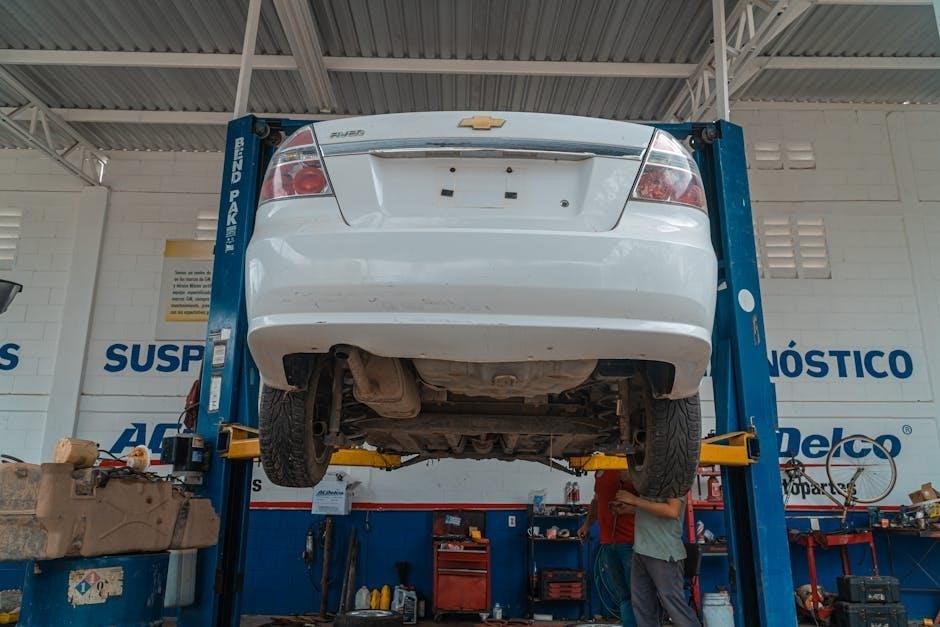
On Automotive Hydraulic Jacks
Automotive jacks generally utilize a simple release valve‚ often a screw-type mechanism or a lever‚ to lower the vehicle. Slowly turning the screw clockwise (or operating the lever) releases hydraulic pressure‚ initiating descent. Maintain a firm grip and control the lowering speed meticulously.
Never place any body parts under the vehicle during retraction. Ensure the jack is positioned on a level‚ solid surface. If the valve feels stuck‚ do not force it; seek professional assistance to avoid damage or injury.
Step-by-Step Manual Retraction Procedure ― Aircraft
First‚ verify the primary hydraulic system is fully depressurized. Locate the emergency hand pump – typically near the landing gear bay. Slowly and steadily operate the pump‚ monitoring the gear’s retraction progress via visual confirmation. Maintain constant communication with the flight crew during the process.
Be prepared for increased effort as the gear nears full retraction. Check for any obstructions or unusual resistance. Document all actions and observations in the aircraft’s maintenance logbook for future reference and analysis.
Releasing Hydraulic Pressure
Prior to manual retraction‚ completely releasing hydraulic pressure is paramount for safety. Locate the designated pressure release valve – often near the hydraulic pump or actuator. Slowly open the valve‚ allowing fluid to discharge into a suitable container‚ avoiding environmental contamination.
Monitor pressure gauges to confirm complete depressurization. Exercise extreme caution as residual pressure may remain. Double-check all connections to ensure they are secure before proceeding with manual operation. Proper pressure release prevents uncontrolled movement.
Using the Emergency Hand Pump
When primary hydraulic systems fail‚ the emergency hand pump provides a crucial alternative for retraction. Locate the hand pump‚ typically integrated into the jack’s housing or a nearby panel. Connect the pump’s hose securely to the designated port.
Operate the pump handle steadily‚ observing the jack’s movement. Expect slower retraction speeds compared to the powered system. Maintain consistent pumping to avoid jerky motions. Monitor pressure gauges‚ if available‚ and cease pumping upon full retraction.
Monitoring Retraction Progress
Careful observation during manual retraction is paramount for safety and control. Visually inspect the jack’s components‚ checking for any signs of stress‚ binding‚ or misalignment. Pay close attention to the retraction speed – sudden movements indicate potential issues.
If equipped‚ monitor pressure gauges to ensure the system isn’t over-pressurized. Listen for unusual noises‚ such as hissing or grinding‚ which could signal leaks or mechanical failures. Stop immediately if anything seems amiss and reassess the situation.
Step-by-Step Manual Retraction Procedure ― Industrial
Begin by locating the designated release valve‚ often a lever or screw near the hydraulic cylinder. Slowly open the valve‚ allowing controlled descent of the load. Monitor the descent‚ ensuring stability and preventing sudden drops. Use a wrench if the valve requires significant force‚ applying steady pressure.
Maintain constant vigilance for any obstructions or binding. Once fully retracted‚ secure the jack using locking pins or a similar mechanism. Never exceed the jack’s rated capacity during this process.
Locating and Operating the Release Valve
The release valve is typically found on the hydraulic jack’s body‚ often near the pump or cylinder. It may be a lever‚ a screw‚ or a T-handle; consult the jack’s manual for precise location. Slowly turn or pull the valve – avoid rapid movements.
Observe the jack’s response; the load should begin to descend in a controlled manner. If resistance is met‚ do not force it; check for obstructions. Proper operation ensures a safe and predictable retraction process.
Controlled Descent Techniques
Maintaining a slow‚ steady descent is paramount during manual retraction. Avoid abrupt valve adjustments‚ as these can cause instability or jerking motions. Monitor the descent rate closely‚ ensuring it remains manageable and predictable. Small‚ incremental adjustments to the release valve offer the greatest control.
Be prepared to pause or slightly re-engage the valve if the descent accelerates unexpectedly. Constant vigilance and a gentle touch are key to a safe and controlled lowering process‚ preventing damage or injury.
Securing the Jack in the Retracted Position
Once fully retracted‚ immediately engage any locking mechanisms present on the jack to prevent accidental extension. Verify the lock is firmly in place before removing any support or load from the system. Inspect for any signs of instability or creeping‚ which could indicate a malfunctioning lock.
If no dedicated lock exists‚ utilize secondary support – blocks or stands – to maintain the retracted position. Regularly check these supports to ensure continued stability‚ especially during transport or storage.
Step-by-Step Manual Retraction Procedure ― Automotive
Locate the jack’s release valve‚ typically a screw or lever near the lifting point. Slowly turn the valve clockwise (usually) to begin controlled descent. Maintain constant pressure and monitor the vehicle’s lowering. Avoid quick or jerky movements – a smooth‚ steady process is vital.
If the valve is stiff‚ apply penetrating oil and attempt again. Never use excessive force. Support the vehicle with jack stands before attempting any manual retraction.
Identifying the Jack’s Release Mechanism
Automotive jacks commonly utilize a release valve – a screw-type mechanism controlling hydraulic fluid flow. Industrial jacks may feature a lever-operated release‚ often larger and more robust. Aircraft jacks employ complex systems‚ potentially including bleed screws and emergency hand pumps.
Carefully examine the jack’s body for labeled controls. Consult the manufacturer’s documentation for precise identification. Understanding the specific mechanism is crucial before attempting manual retraction‚ ensuring safe and controlled operation.
Slow and Steady Lowering Process
Initiate retraction by gently operating the identified release mechanism. A gradual fluid release is paramount; avoid rapid adjustments. Monitor the jack’s descent continuously‚ ensuring a controlled lowering speed. Sudden movements can cause instability and potential damage to the jack or supported load.
Maintain constant awareness of the surrounding environment. Small‚ incremental adjustments are preferred over large‚ abrupt ones. Prioritize a smooth‚ predictable descent throughout the entire retraction process‚ maximizing safety.
Avoiding Sudden Movements
Jerky motions during manual retraction pose significant risks. They can induce shock loads‚ potentially damaging the hydraulic system or the supported equipment. Maintain a deliberate‚ controlled pace when operating release valves or hand pumps. Abrupt actions can lead to instability and uncontrolled descent;
Smooth‚ incremental adjustments are crucial for safe operation. Anticipate the jack’s response and adjust accordingly. Avoid forceful or rapid manipulation of any control mechanisms. Prioritize a consistent‚ predictable lowering speed to minimize potential hazards.
Troubleshooting Common Issues During Retraction
Several problems can arise during manual retraction. A non-responsive release valve may indicate blockage or internal damage‚ requiring careful inspection. Hydraulic fluid leaks signal compromised seals or connections‚ demanding immediate attention to prevent system failure. Sticking or binding mechanisms often stem from corrosion or lack of lubrication.
Carefully assess the situation before proceeding. Attempt gentle manipulation of controls; avoid excessive force. Check fluid levels and look for visible damage. If issues persist‚ discontinue the process and consult qualified technicians.
Jack Not Responding to Release Valve
If the release valve fails to initiate retraction‚ several factors could be at play. Internal valve blockage due to contamination is common; try gently cycling the valve. Low hydraulic fluid levels can prevent sufficient pressure for operation – check and top up as needed. A damaged valve seat might prevent proper sealing.
Avoid forceful manipulation‚ which could worsen the issue. Inspect the valve for external damage. If the problem persists‚ do not continue; seek professional assistance to prevent further complications or potential safety hazards.
Hydraulic Fluid Leaks
Hydraulic fluid leaks during retraction pose a significant safety risk and indicate a system compromise. Immediately stop the retraction process and identify the leak’s source – check hoses‚ fittings‚ seals‚ and the jack body itself. Even small leaks can rapidly deplete fluid‚ hindering operation.
Do not attempt to continue with a leaking system. Contain the spill and clean it up promptly to prevent slipping hazards. Repair or replace the leaking component before resuming operation; using the jack with a leak is dangerous and can cause catastrophic failure.
Sticking or Binding Mechanisms
If the jack encounters resistance during manual retraction‚ suspect sticking or binding within the hydraulic cylinder or linkage. Avoid forcing the mechanism‚ as this can cause damage or sudden release. Carefully inspect for obstructions‚ corrosion‚ or lack of lubrication.
Gentle‚ alternating pressure may help dislodge the binding. If the issue persists‚ do not continue; seek professional assistance. Attempting to overcome severe binding can lead to component failure and potential injury. Regular maintenance‚ including lubrication‚ prevents these issues.
Maintaining Hydraulic Jacks to Prevent Issues
Proactive maintenance is vital for reliable hydraulic jack operation. Regularly inspect all seals and hoses for cracks‚ leaks‚ or wear‚ replacing them promptly. Maintain proper hydraulic fluid levels using the manufacturer’s recommended type – crucial for optimal performance.
Lubricate all moving parts to reduce friction and prevent binding. Keep the jack clean and protected from contaminants. Document all maintenance performed. Consistent upkeep minimizes the risk of failures requiring manual retraction and extends the jack’s lifespan.
Regular Inspection of Seals and Hoses
Consistent visual checks of seals and hoses are paramount. Look for any signs of cracking‚ bulging‚ abrasion‚ or leaks – even minor imperfections can escalate. Pay close attention to connection points where hoses attach to the jack and valve assemblies. Feel for softness or brittleness in the hoses.
Replace damaged components immediately to prevent fluid loss and maintain pressure. Document all inspections and replacements. A proactive approach to seal and hose integrity significantly reduces the likelihood of needing manual retraction procedures.
Hydraulic Fluid Level Checks
Maintaining the correct hydraulic fluid level is critical for proper jack operation. Regularly check the reservoir‚ using the designated sight glass or dipstick‚ ensuring the fluid reaches the ‘full’ mark. Low fluid levels can introduce air into the system‚ hindering retraction and potentially causing damage.
Always use the manufacturer-recommended fluid type (see section on fluid compatibility). Top up as needed‚ but investigate the cause of any significant fluid loss. Consistent level checks are a simple preventative measure against manual retraction scenarios.
Lubrication of Moving Parts
Proper lubrication minimizes friction and prevents binding within the hydraulic jack’s mechanism‚ crucial for smooth manual retraction. Focus on pivot points‚ screw threads‚ and any sliding surfaces. Use a high-quality‚ manufacturer-approved lubricant – avoid abrasive compounds.
Regularly lubricate these areas to ensure effortless operation‚ especially if the jack hasn’t been used for an extended period. Insufficient lubrication can significantly increase the force needed for manual retraction and contribute to component wear‚ potentially leading to failure.
Emergency Procedures if Manual Retraction Fails
If manual retraction proves impossible‚ prioritize safety and immediately cease applying force. Do not attempt forceful manipulation‚ as this risks damage and injury. Contact qualified hydraulic technicians for assessment and repair – attempting self-repair can be dangerous.
Explore alternative lowering methods if available‚ documented in the jack’s manual. Implement strict safety protocols‚ including securing the load and establishing a clear exclusion zone. Document the failure thoroughly for investigation and preventative maintenance.
Contacting Qualified Technicians
When facing persistent issues‚ or after a failed manual retraction attempt‚ engaging certified hydraulic technicians is paramount. Seek professionals experienced with the specific jack type – aircraft‚ industrial‚ or automotive – for accurate diagnosis.
Provide a detailed account of the problem‚ including attempted solutions and observed symptoms. Qualified technicians possess specialized tools and knowledge to safely address complex hydraulic failures‚ ensuring proper repair and preventing future incidents. Prioritize professional assistance for safety and longevity.
Alternative Lowering Methods (If Available)
In scenarios where manual retraction proves impossible‚ explore any available alternative lowering mechanisms. Some systems incorporate emergency release cables or mechanical overrides‚ detailed in the equipment’s documentation.
Carefully assess the feasibility and safety of these alternatives before implementation. These methods may require specialized knowledge or tools. Never attempt a workaround without fully understanding the potential risks. Prioritize controlled descent and secure stabilization once lowered‚ and always document any utilized alternative procedures.
Safety Protocols During Failure
If manual retraction fails‚ immediately secure the area‚ preventing unauthorized access. Establish a clear communication protocol and ensure all personnel are aware of the situation.
Avoid any actions that could exacerbate the problem or create additional hazards. Do not attempt forceful manipulation of the jack. Prioritize personnel safety above all else‚ maintaining a safe distance from the potentially unstable load. Document the failure thoroughly and contact qualified technicians for assistance without delay.
Understanding Hydraulic Fluid Types and Compatibility
Hydraulic systems rely on specific fluid types for optimal performance; mineral oil-based fluids are common‚ offering good lubrication and cost-effectiveness.
Synthetic hydraulic fluids provide superior performance in extreme temperatures and pressures‚ but are generally more expensive. Using the incorrect fluid can cause seal degradation‚ system corrosion‚ and ultimately‚ retraction failure. Always verify compatibility before adding or replacing fluid‚ referencing the manufacturer’s specifications to prevent damage.
Mineral Oil Based Fluids
Mineral oil-based hydraulic fluids are widely utilized due to their affordability and adequate performance in standard operating conditions. These fluids offer good lubrication properties‚ contributing to the longevity of hydraulic jack components.
However‚ they exhibit limitations in extreme temperatures‚ potentially thickening in cold environments or thinning under high heat. Compatibility with seal materials is crucial; improper seals can lead to leaks and retraction issues. Regular monitoring for oxidation and contamination is essential for maintaining fluid integrity.
Synthetic Hydraulic Fluids
Synthetic hydraulic fluids offer superior performance characteristics compared to mineral oil-based options‚ particularly in demanding applications. They demonstrate enhanced thermal stability‚ maintaining viscosity across a wider temperature range – vital for reliable manual retraction.
These fluids also exhibit excellent oxidation resistance and compatibility with various seal materials‚ minimizing leaks and extending component life. While generally more expensive‚ their longevity and performance benefits often justify the cost‚ especially in critical systems requiring consistent‚ safe operation.
Importance of Using the Correct Fluid
Employing the manufacturer-specified hydraulic fluid is paramount for safe and effective jack operation‚ especially during manual retraction. Incorrect fluids can compromise seal compatibility‚ leading to leaks and pressure loss‚ hindering the retraction process.
Mixing incompatible fluids can cause chemical reactions‚ forming sludge that damages valves and cylinders. Using the wrong viscosity affects responsiveness‚ potentially causing uncontrolled descent. Always verify fluid type before topping up or replacing‚ ensuring optimal performance and preventing costly repairs.
Legal Considerations and Liability
Adhering to manufacturer’s guidelines is crucial to mitigate legal risks when manually retracting hydraulic jacks. Improper procedures can lead to equipment damage‚ injury‚ or even fatalities‚ resulting in significant liability.
Thorough documentation of all maintenance‚ repairs‚ and manual retraction attempts is essential for demonstrating due diligence. Clear waivers acknowledging potential risks should be obtained before allowing untrained personnel to operate jacks. Compliance with relevant safety regulations and industry standards is non-negotiable‚ protecting both operators and organizations.
Following Manufacturer’s Guidelines
Strictly adhering to the hydraulic jack manufacturer’s instructions is paramount for safe and effective manual retraction. These guidelines detail specific procedures‚ pressure limits‚ and compatible fluids crucial for preventing damage and ensuring operator safety.

Deviating from recommended protocols can void warranties and introduce significant risks. Always consult the official manual for your specific jack model before attempting any manual operation. Understanding the jack’s limitations and intended use is vital‚ alongside proper training and certification where required.
Documentation of Maintenance and Repairs
Meticulous record-keeping of all hydraulic jack maintenance and repair activities is essential for liability mitigation and safety assurance. Detailed logs should include dates‚ procedures performed‚ parts replaced‚ fluid types used‚ and technician signatures.

This documentation serves as proof of due diligence in maintaining operational integrity. It also aids in identifying recurring issues and tracking long-term performance. Proper records are crucial during inspections and potential legal inquiries‚ demonstrating a commitment to responsible hydraulic system management.
Potential Risks and Waivers
Manually retracting hydraulic jacks carries inherent risks‚ including sudden jack movement‚ hydraulic fluid injection injuries‚ and component failure. These risks are amplified without proper training and adherence to safety protocols.
Personnel undertaking manual retraction should acknowledge these dangers through a signed waiver. This waiver confirms understanding of the procedures‚ acceptance of potential hazards‚ and release of liability for foreseeable outcomes. Comprehensive risk assessments and documented safety briefings are vital components of this process‚ ensuring informed consent and minimizing potential harm.