precooked prime rib cooking instructions
Understanding Precooked Prime Rib
Precooked prime rib offers convenience, reducing cooking time while still delivering a flavorful, classic roast—perfect for gatherings!
This method simplifies holiday meals, ensuring a tender and juicy result with less hands-on effort, as detailed in classic recipes․
What is Precooked Prime Rib?
Precooked prime rib isn’t raw; it’s partially cooked using a sous vide or slow-roasting technique, then chilled․ This process significantly reduces the final cooking time needed to achieve a perfectly tender and flavorful roast․
Essentially, it’s a head start on a traditionally lengthy cooking process․ You’re not starting from scratch, but rather finishing the roast to your desired level of doneness․ This makes it an excellent option for those short on time or less experienced with roasting large cuts of meat․
Many suppliers offer both bone-in and boneless options, seasoned or unseasoned, providing flexibility for your preferences․
Benefits of Buying Precooked
Purchasing precooked prime rib offers substantial time savings, crucial for busy holidays or gatherings․ The initial cooking phase is already completed, minimizing oven time and effort․
It also reduces the risk of undercooking, a common concern with large roasts, as much of the process is already handled․ This leads to a more consistently tender and juicy result․
Precooked options provide convenience without sacrificing quality, allowing you to focus on side dishes and guests․ It’s a fantastic solution for both novice and experienced cooks seeking a stress-free prime rib experience!
Preparing the Precooked Prime Rib for Cooking
Proper preparation is key! Thaw completely, check the internal temperature, and consider a flavorful rub to enhance the precooked prime rib’s taste․
Thawing the Prime Rib
Safe thawing is crucial for a delicious and safe precooked prime rib․ The recommended method is refrigerator thawing, allowing ample time for even temperature increase․
Plan ahead – a large prime rib can take 24 to 72 hours to thaw completely in the refrigerator, depending on its size․ Ensure the prime rib remains in its original packaging and is placed on a tray to catch any drips․
Avoid thawing at room temperature, as this can promote bacterial growth․ For faster thawing, you can submerge the sealed prime rib in cold water, changing the water every 30 minutes, but refrigerator thawing is preferred for optimal quality․
Checking Internal Temperature Before Cooking
Before reheating, verify the precooked prime rib’s internal temperature to gauge remaining cook time accurately․ Use a reliable meat thermometer inserted into the thickest part of the roast, avoiding bone․
If the internal temperature is below 100°F (38°C), proceed with the full recommended cooking time for your desired doneness․ However, if it’s already closer to the target temperature (125-140°F), reduce cooking time significantly․
This initial temperature check prevents overcooking and ensures a juicy, tender final product․ Remember, time is a guideline; temperature is key!
Rub and Seasoning Options
Enhance your precooked prime rib with a flavorful rub! Classic combinations include garlic powder, onion powder, dried rosemary, thyme, and black pepper․ A simple salt and pepper seasoning also works wonderfully, allowing the natural beef flavor to shine․
For a bolder taste, consider adding smoked paprika, cayenne pepper, or a touch of brown sugar․ Apply the rub generously, ensuring even coverage across the entire roast surface․
Allow the seasoned prime rib to sit at room temperature for about 30 minutes before cooking, allowing the flavors to penetrate the meat․
Cooking Methods for Precooked Prime Rib
Several methods exist for finishing precooked prime rib, including oven roasting, the reverse sear technique, and even slow cooker adaptation for tenderness!
Oven Roasting: The Standard Approach
Oven roasting remains the most popular method for completing a precooked prime rib․ Begin by preheating your oven to a moderate temperature, typically around 325°F (160°C)․ Place the prime rib, bone-side down, on a roasting rack within a roasting pan․
This elevates the roast, allowing for even heat circulation․ Add approximately one cup of beef broth or water to the bottom of the pan to maintain moisture․ Cover the pan tightly with foil for the majority of the cooking time, preventing excessive drying․
Roast for roughly 10-15 minutes per pound, or until it reaches your desired internal temperature․ Remove the foil during the last 20-30 minutes to allow for browning and crust formation․ Remember, a meat thermometer is crucial for accuracy!
Reverse Sear Method
The reverse sear offers exceptional control and a beautifully browned crust․ Start by roasting the precooked prime rib at a very low temperature – around 225°F (107°C) – until it’s nearly at your target internal temperature․ This gentle heating ensures even cooking throughout the roast․
Remove the prime rib from the oven and let it rest briefly․ Then, crank up the oven to its highest setting, ideally 500-550°F (260-288°C)․ Sear the roast for 5-10 minutes, watching carefully to prevent burning․
This high-heat sear creates a delicious, flavorful crust while keeping the interior tender and juicy․ A meat thermometer remains essential for precise doneness!
Slow Cooker Adaptation
Adapting precooked prime rib for a slow cooker yields incredibly tender results, though the crust won’t be traditional․ Place the prime rib in the slow cooker and add about one cup of beef broth or au jus to the bottom․ This helps maintain moisture during the extended cooking process․
Cook on low for 4-6 hours, or on high for 2-3 hours․ The goal isn’t to cook the rib, but to gently warm it through and enhance its tenderness;
Before serving, consider a quick sear in a hot pan to add some color and texture to the exterior․ A meat thermometer is still vital to confirm it’s heated through!
Temperature and Timing Guidelines
Achieving desired doneness relies on internal temperature, not just time! Use a meat thermometer for accuracy, referencing charts for rare, medium-rare, and medium․
Rare (125-130°F) ⸺ Timing
For a rare precooked prime rib, aiming for an internal temperature of 125-130°F requires careful monitoring․ Generally, a 3-5 pound roast will need approximately 20-25 minutes in a 325°F oven․
However, remember that these are estimates; the actual cooking time will depend on your oven and the starting temperature of the prime rib․ Crucially, rely on a meat thermometer to confirm the internal temperature, inserting it into the thickest part of the roast, avoiding bone․
Consistent temperature checks every 5-10 minutes towards the end of the estimated cooking time are vital to prevent overcooking and ensure a perfectly rare, juicy result․
Medium-Rare (130-140°F) ⸺ Timing
Achieving a medium-rare precooked prime rib, with an internal temperature of 130-140°F, typically requires a slightly longer cooking time․ A 3-5 pound roast will generally need around 25-30 minutes in a 325°F oven․
As with rare, these timings are approximate and influenced by oven variations and the roast’s initial temperature․ Consistent monitoring with a meat thermometer is paramount․ Insert the thermometer into the thickest part, avoiding bone, for accurate readings․
Check the temperature every 5-10 minutes as you approach the estimated time, ensuring a perfectly pink center and a tender, juicy texture․
Medium (140-150°F) ⸺ Timing
For a medium precooked prime rib, targeting an internal temperature of 140-150°F, expect a cooking time of approximately 30-35 minutes in a 325°F oven for a 3-5 pound roast․ Remember, these are estimates, and oven calibration plays a crucial role․
Regular temperature checks are vital․ Utilize a meat thermometer inserted into the thickest section, avoiding bone contact, to guarantee accuracy․ Begin checking around the 25-minute mark, then every 5-10 minutes thereafter․
This level of doneness offers a slightly firmer texture while retaining considerable juiciness․ Consistent monitoring ensures a flavorful and satisfying result․
Using a Meat Thermometer
A meat thermometer is essential for perfectly cooked precooked prime rib! Accurate internal temperature readings—using digital or analog options—guarantee desired doneness and juiciness․
Placement for Accurate Readings
Achieving an accurate temperature reading with your meat thermometer is crucial for a perfectly cooked precooked prime rib․ Insert the thermometer into the thickest part of the roast, avoiding bone, fat, or gristle, as these can skew the results․
For larger roasts, consider taking multiple readings in different locations to ensure even cooking․ The probe should reach the center of the meat to provide a reliable internal temperature․ Remember, consistent monitoring throughout the final cooking stages is key to preventing overcooking and maintaining juiciness․
Proper placement guarantees a delicious and tender prime rib every time!
Digital vs․ Analog Thermometers
Choosing between digital and analog thermometers depends on your preference and needs․ Digital thermometers offer precise, easy-to-read displays, often with features like alarms and pre-programmed settings for different meat doneness levels․
Analog thermometers are more affordable and don’t require batteries, but require careful reading of the needle against a temperature scale․ For precooked prime rib, a digital thermometer is recommended for its accuracy, ensuring you hit your desired internal temperature․
Both types are effective, but digital provides a more foolproof experience!

Resting the Prime Rib
Resting allows juices to redistribute, resulting in a more tender and flavorful prime rib․ Cover loosely with foil for optimal results!
Importance of Resting
Resting the precooked prime rib is absolutely crucial for achieving a truly exceptional final product․ During cooking, the heat forces the flavorful juices within the meat to migrate towards the center․ Immediately slicing into the roast will result in these precious juices escaping, leaving you with a drier, less flavorful cut․
Allowing the prime rib to rest—covered loosely with aluminum foil—gives these juices time to redistribute throughout the muscle fibers․ This redistribution ensures every slice is incredibly moist and tender․ Think of it as letting the meat “relax” after being exposed to high temperatures․ Patience during this step is rewarded with a significantly improved dining experience!
Resting Time Recommendations
For a precooked prime rib, a resting period of at least 20-30 minutes is highly recommended, though longer is often beneficial․ The size of the roast will influence the ideal rest time; larger roasts (over 8 pounds) may benefit from a 30-45 minute rest․
Loosely tent the roast with aluminum foil to retain some heat while allowing steam to escape, preventing a soggy exterior․ Avoid tightly wrapping it, as this can steam the crust․ Resist the urge to cut into it prematurely! This resting phase is vital for juice redistribution, resulting in a more tender and flavorful prime rib experience․
Making Au Jus
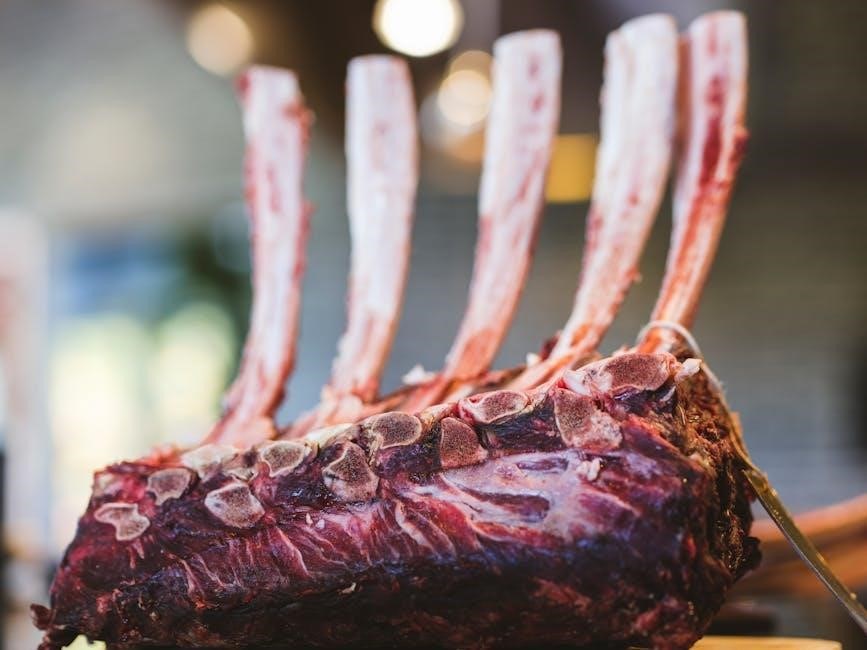
Au jus, crafted from flavorful pan drippings, elevates your precooked prime rib! A simple recipe involves deglazing the pan and simmering for richness․
Using Pan Drippings
Pan drippings are the cornerstone of a truly exceptional au jus, capturing all the roasted flavors of your precooked prime rib․ After removing the roast, carefully pour off excess fat, leaving behind the flavorful browned bits – these are called fond and are crucial for depth․
Deglaze the pan with beef broth, red wine, or even water, scraping up the fond with a wooden spoon․ This process releases all those concentrated flavors․ Simmer the mixture, allowing it to reduce and intensify, creating a rich and savory au jus perfect for dipping or drizzling over your sliced prime rib․ Strain for a smoother consistency․
Simple Au Jus Recipe
For a quick au jus, start with 2 cups of beef broth․ After roasting your precooked prime rib, deglaze the pan with ½ cup of dry red wine, scraping up browned bits․ Add this mixture to the beef broth․
Simmer for 10-15 minutes, reducing the liquid by about a quarter․ Stir in 1 tablespoon of butter for richness and season with salt and pepper to taste․ A splash of Worcestershire sauce enhances the savory flavor․ Strain before serving․ This simple recipe delivers a flavorful au jus, complementing the prime rib beautifully!
Serving Suggestions
Elevate your prime rib with classic sides like roasted potatoes, Yorkshire pudding, and creamed spinach for a complete, satisfying meal!
Classic Side Dishes
Complement your perfectly cooked precooked prime rib with a selection of traditional accompaniments․ Roasted garlic mashed potatoes provide a creamy, comforting base, while Yorkshire pudding offers a delightful textural contrast․ Don’t forget a vibrant green vegetable – steamed asparagus or sautéed green beans add freshness․
Creamed spinach, horseradish sauce, and a simple garden salad are also excellent choices․ For a touch of sweetness, consider glazed carrots or roasted Brussels sprouts․ These sides enhance the rich flavor of the prime rib, creating a truly memorable dining experience․
Wine Pairings
Elevate your precooked prime rib experience with a carefully selected wine․ A bold Cabernet Sauvignon, with its dark fruit flavors and firm tannins, is a classic pairing, cutting through the richness of the beef․ Merlot offers a softer, more approachable alternative, complementing the meat without overpowering it․
For those preferring red blends, a Bordeaux-style wine provides complexity and balance․ If you lean towards white wines, a full-bodied Chardonnay, aged in oak, can surprisingly harmonize with prime rib․ Ultimately, choose a wine you enjoy, enhancing the overall dining pleasure!
Troubleshooting Common Issues
Dryness or toughness can occur; ensure proper reheating and internal temperature checks are crucial for a juicy, tender precooked prime rib experience․
Prime Rib is Dry
A dry precooked prime rib often stems from overcooking during the final reheating phase․ Remember, it’s already cooked! Focus on gentle warming, not further cooking․
Employing a meat thermometer is vital; avoid exceeding the recommended internal temperature for your desired doneness․ Consider basting with pan drippings or au jus during reheating to add moisture․
If dryness persists, slicing against the grain can help create a more tender bite․ Resting the prime rib adequately after reheating is also crucial, allowing juices to redistribute throughout the meat, improving overall moisture content and flavor․
Prime Rib is Tough
A tough precooked prime rib usually indicates that the connective tissues weren’t adequately broken down during the initial cooking process, or improper slicing․ Ensure you’re slicing against the grain – this shortens the muscle fibers, making it easier to chew․
While reheating, avoid high temperatures, as they can tighten the muscle fibers․ Slow and gentle warming is key․ Marinades, even post-cook, can help tenderize the meat․
Consider a longer resting period after reheating to allow the muscle fibers to relax․ Remember, precooked doesn’t mean indestructible; gentle handling is essential!

Storing Leftovers
Properly store leftover precooked prime rib in airtight containers within two hours to maintain quality and safety․ Refrigerate for up to three days!
Proper Storage Containers
Selecting the right containers is crucial for preserving the quality of your leftover precooked prime rib․ Opt for airtight containers – glass or BPA-free plastic work exceptionally well – to prevent moisture loss and odor absorption in the refrigerator․
Shallow containers are preferable, as they allow for quicker and more even cooling, minimizing bacterial growth․ Wrap the prime rib tightly in plastic wrap before placing it in the container for an extra layer of protection․
Avoid using aluminum foil for long-term storage, as it can react with the meat․ Properly stored, your prime rib will remain delicious for up to three days!
Reheating Instructions
Reheating precooked prime rib requires a gentle approach to maintain its tenderness and juiciness․ The oven is ideal: preheat to 325°F (160°C), and place the sliced prime rib in a baking dish with a little au jus or beef broth․
Cover tightly with foil and heat for approximately 15-20 minutes, or until warmed through․ Avoid overheating, as this will dry out the meat․ Alternatively, you can use a slow cooker on low for 1-2 hours․
For individual slices, a microwave works, but use short bursts and monitor closely to prevent toughness․